Comment passer sa retraite française en Thaïlande ?

📅 Publié en 2016 — Mis à jour en juin 2026
🏥 Changement majeur : l’assurance santé est obligatoire depuis 2019. Prix et conditions actualisés.

🌴 La retraite en Thaïlande en 2026

🏥 Assurance santé OBLIGATOIRE (depuis le 1er octobre 2019)

C’est LE changement majeur. Avant 2019, aucune assurance n’était requise. Aujourd’hui : pas d’assurance = pas de visa O-A.

CouvertureMinimum requis
🏨 Hospitalisation (IPD)400 000 ฿ (≈ 10 500 €)
🩺 Ambulatoire (OPD)40 000 ฿ (≈ 1 050 €)
🦠 COVID-19 (depuis 2021)3 000 000 ฿ (100 000 USD)

💰 Budget assurance : 15 000 – 80 000 ฿/an selon âge et couverture.

💰 Conditions financières visa O-A (inchangées)

  • 🏦 Option 1 : 800 000 ฿ en banque thaïlandaise (déposé depuis 2 mois min.)
  • 💵 Option 2 : Revenu mensuel ≥ 65 000 ฿/mois (≈ 1 710 €)
  • 📊 Option 3 : Combinaison dépôt + revenu = 800 000 ฿/an

🏷️ Coût de la vie actualisé — Juin 2026

Sources : Numbeo mai 2026, SmartLifeThailand, WhereNext.

PosteBangkokChiang MaiPhuket
🏠 Logement 1ch meublé15 000 – 25 000 ฿8 000 – 15 000 ฿15 000 – 25 000 ฿
🍜 Nourriture8 000 – 15 000 ฿5 000 – 8 000 ฿8 000 – 15 000 ฿
🚕 Transport2 000 – 5 000 ฿2 000 – 3 000 ฿3 000 – 6 000 ฿
📶 Internet + mobile900 – 1 500 ฿900 – 1 500 ฿900 – 1 500 ฿
🏥 Assurance santé3 000 – 7 000 ฿3 000 – 7 000 ฿3 000 – 7 000 ฿
🎉 Loisirs3 000 – 10 000 ฿2 000 – 5 000 ฿5 000 – 15 000 ฿
TOTAL35 000 – 70 000 ฿25 000 – 50 000 ฿40 000 – 80 000 ฿

💱 En euros : Chiang Mai 660-1 315€ | Bangkok 920-1 840€ | Phuket 1 050-2 100€ (taux 1€ ≈ 38 ฿)

🚗 Transport en 2026

  • 📱 Grab (= Uber) : partout. Moto dès 25 ฿, voiture dès 60 ฿
  • 🚇 BTS/MRT Bangkok : réseau étendu (lignes jaune + rose ajoutées 2023-24). 17-62 ฿/trajet
  • ✈️ Vols internes : AirAsia, Thai VietJet — Bangkok-Chiang Mai dès 800 ฿

📶 Télécommunications

  • 📡 5G : disponible Bangkok, Chiang Mai, Phuket depuis 2022
  • 📱 Opérateurs : AIS, True (fusionné DTAC en 2023) — illimité dès 300 ฿/mois
  • 🌐 Fibre optique : True/AIS/3BB — 200 Mbps dès 600 ฿, 1 Gbps dès 900 ฿/mois

⬇️ Avant c’était comme ça…


📺 L’article original

Pour commencer allez-y en touriste, je vous recommande un billet d’avion sur expédia et une chambre d’hôtel simple. C’est pas cher !

6 raisons pour passer sa retraite en Thaïlande en plus de la vidéo  :

1* Le climat est chaud :

Avec une retraite en Thaïlande, vous êtes en climat tropical. Cela confirme que vous aurez de la chaleur toute l’année découpée en 3 périodes. Une saison sèche de Janvier à Juin qui est la plus chaude. Une saison des pluies de Juillet à fin septembre. Selon les années, cela peut continuer jusqu’à octobre. Un saison douce de novembre à janvier. Pour les températures, elles varient peu et se situent entre 25 et 40 degrés. La Thaïlande est un pays qui possède plus de 200 plages et d’endroits accessibles à pied, à vélo en voiture depuis la terre pour aller se baigner et profiter des baies, des anses, et des rivières, torrents ou ruisseaux.

CONSEIL : D’un point de vue médical, un médecin généraliste rappel que vous devez vous assurer de supporter une telle chaleur. Avec l’âge, des personnes qui n’étaient pas sensibles à la chaleur peuvent le devenir. Je vous conseille de faire des immersions longues de 1 à 2 mois en simple touriste pour commencer.  Je pense qu’à 60 ans il ne faut pas surestimer sa force et prendre soin de soi avant de vous lancer. J’ai vu des Européens de cet âge s’évanouir dans les rues de Bangkok lors de la saison chaude entre Mars et Mai.

2 * Les loisirs du retraité en Thaïlande:

Pour votre retraite en Thaïlande, le pays est riche visuellement parlant. Une diversité à nous rendre amoureux raide dingue du pays lorsqu’on y vient la première fois.  Vos semaines s’écouleront au rythme des balades.  Des randonnées organisées en forêt sous forme de trek à la recherche de la faune et de la flore dans le nord du pays. Chiang Mai et Chiang Rai, sont des villes magnifiques à voir et pas loin du Laos. Depuis le nord, vous pouvez  d’ailleurs rejoindre facilement la capitale du Laos : Vientiane.

Visiter les îles de la Thaïlande, et à vous les abordages des sublimes plages. Prendre un bateau depuis la région de Surat et aller visiter Ko Samui, une des îles les plus connues des amoureux. Si vous êtes retraité célibataire, aller retrouver votre jeunesse à Ko Phangan pour une visite de l’île la plus festive de Thaïlande et du monde.  Vous pouvez aussi, prendre un bateau et partir à l’aventure en mer le long de la côte, ou encore louer une moto et préparer un road-trip sur les routes de Thaïlande.

Soyer prudent sur les routes, car croiser des éléphants s’est courant. Ils traversent la route, et garder à l’esprit que vous êtes chez eux. Il est donc plus sage de rester à distance, si cela vous arrive et de couper le moteur pour ne pas attirer l’attention ou bien de ne pas klaxonner. La Thaïlande n’a rien à voir avec les week-ends que vous passiez en France, car l’hiver n’existe plus et vous allez apprendre à passer tout votre temps à l’extérieur de chez vous.

3* De bonnes infrastructures en Thaïlande :

De nombreuses compagnies aériennes assurent des vols quotidiens internes. Des correspondances assurées par plusieurs low-cost vers Phuket, Ko Samui, Chiang Mai, chiang Rai, Krabi comme Air Asia. Le choix des transports en commun est large. Le train est aussi un moyen typique et authentique de découvrir le pays car les wagons sont anciens. Vous aurez l’impression de retomber dans les années 70 mais cela vaut le détour de temps en temps pour un voyage de nuit. Les Tuk-tuk,  sont aussi un choix typique à faire au moins une fois si vous voulez vous sentir dans l’aventure. Cependant, je vous conseille plutôt les taxis « Meters » car ils sont plus honnêtes et ne chercheront pas à vous embarquer dans une boutique de vêtements en échange d’un coupon de carburant.

Pour votre retraite en Thaïlande, côté télécommunication c’est en haut débit. Dans les grandes villes, je n’ai constaté aucun souci pour envoyer des SMS, MMS, ou encore un email voir même faire une vidéo chat depuis votre smartphone. Toutes les applications marchent en Thaïlande, j’ai testé messenger, facebook, Facetime, skype, ou encore what’s app et aussi celle pour les rencontres comme Tinder. Les cartes Sim ne coûtent pas chères et sont entre 300 et 600 bath. Les durées vont d’une semaine à un mois. Vous pouvez les acheter dans les aéroports, dans les gares du skytrain, ou encore dans les supermarchés du pays.

Dans certaines régions reculées, vous n’aurez plus internet, mais vous pouvez passer un appel en pleine jungle. Dans les villages en montagne, j’ai constaté sur la région de Chiang Mai que cela été possible par moments. Les villageois ont un mode de vie rudimentaire mais pas sans leur smartphone, c’est d’ailleurs ce qui m’a fait sourire pour y avoir passé quelques nuits.

4* La Culture Bouddhiste et la « zénitude »

La Thaïlande est un pays qui est hors de notre temps et de nos repères. Il va falloir réapprendre ce que vous avez appris, observer avant de parler, écouter avant d’agir. Les règles sont les mêmes pour tous les thaïlandais mais pas pour vous. Vous ne serez jamais Thaïlandais même après 20 ans de vie dans le pays. « Farang » retraité vous êtes et resterez, mais vous serez bien accueilli si vous respectez les traditions. La retraite en Thaïlande c’est le respect de vos hôtes. Le respect n’est pas une petite notion au pays du Siam, c’est une qualité enseignée. Les temples représentent bien ce respect mais aussi cette paix intérieure. Lorsque je suis allé dans les temples, j’ai ressenti un calme et un vrai bonheur. Il faut le vivre pour le comprendre et surtout être à l’écoute des vibrations et sensations.

Voici quelques petites choses à faire lorsque vous aller dans un temple. Tenter de jeter des bâtons de prières, regarder le chiffre qui sort et aller demander votre prédiction en échange de quelques baths. Les Thaïlandais sont généreux donateurs avec leur religion alors faites leur honneur. Ne pas donner d’argent à Bouddha est un manque de respect si vous êtes accompagné d’une femme ou d’un homme thaïlandais. Mettez une clochette sur la corde avec les autres pour vous porter chance. Frotter les gongs et écouter le son qui en sort pour votre prospérité.  Ecrivez votre prénom sur un tissu orange que les moines utilisent pour leurs vêtements pour garder votre santé. Bref, les rituels pour faire honneur à Bouddha et la religion Thaïlandaise sont nombreux. Dans le sud du pays, vous croiserez plus de musulmans Thaïlandais même si 90 % de la population est bouddhiste.

5* Une cuisine enivrante et délicieuse avec ou sans piment pour votre retraite en Thaïlande !

N’allez pas croire que chaque coup de baguette sera obligatoirement accompagnés d’un départ de feu dans la bouche. La cuisine Thaïlandaise est une des plus populaires dans l’Asie du nord et du sud. En passant du Japon, par l’Indonésie , la Chine, voir l’Inde, tous les habitants de cette région du monde l’apprécient. C’est doux, sucré, salée, fort, ou juste salée. A vrai dire, tout dépendra de la recette, de la région, de la personne qui vous prépare le plat. A Bangkok le « pad Thai », (voir la recette) se déguste avec des œufs, du poulet et des épices.

A Chiang mai dans les écoles de cuisine, les cuisiniers le font avec une variante différente. Ils ajoutent de l’ail, de la cive, et une sauce sucrée et des lamelles de courges rondes. Cela dépend vraiment de la culture locale. Certains diront qu’ils n’ont pas ces plats sous cette forme à déguster. Cependant chacun n’à pas la même vie que vous au même moment avec le même cuisinier thaïlandais. La nourriture cuite dans la rue est délicieuse et vous ne tomberez pas malade. Des brochettes de poulet, des brochettes de porc, des crevettes, de la langouste grillée, des boulettes de viande, le choix est large.

Par contre si vous touchez aux fruits découpés et aux légumes non cuit, vous prenez un peu plus de risques. J’ai eu l’expérience d’en avoir mangé une fois, et j’ai compris que les crudités sucrées ne sont pas sans bactéries. Au pire, vous aurez une diarrhée pendant 3 à 5 jours. J »ai craqué pour une mangue mais celle-ci n’était pas saine, alors acheter la entière. Pour la glace à la noix de coco : prudence aussi ! Elle est délicieuse mais si vous êtes sensible aller y avec modération.

6* Vous aller vraiment vivre ou revivre  !

Comme expliqué dans la vidéo, votre pouvoir d’achat reviendra à un niveau acceptable. En Thaïlande, fini les fins de mois difficile avec votre retraite.  En France celle-ci vous permet de payer que des factures et vous n’avez aucun plaisir à côté. En France avec une petite retraite, vous devrez vous contenter de sortir au parc ou d’aller en forêt. Pour la retraite en Thaïlande, vous aurez mieux. Pour une retraite de 1200 € vous pourrez percevoir 48 000 bath environ (selon le cours du bath ). Ce gain de pouvoir d’achat s’explique par la faiblesse du bath par rapport à l’euro. Un appartement à Bangkok reste cher car il vous faudra compter 20 000 bath par mois mais une maison à Phuket peut être à 15 000 bath le mois comme la mienne.

Mais un appartement à Chiang mai ou Chiang Rai c’est bien moindre. Il faut se rabattre sur les villes en province pour s’en sortir mieux. C’est la même chose qu’en France, Paris sera toujours plus cher que la province. Pour manger et vous habillez, c’est là que vous allez pouvoir dépenser moins qu’en France. Et le reste sera pour vos loisirs et bouger en Thaïlande. Comme vous êtes au soleil, il vous suffira parfois d’aller juste à la piscine de la résidence, ou encore d’aller à la mer pour vous détendre sans dépenser beaucoup. Le climat, et les conditions de déplacement sont favorables, et donc vous aller être surpris par cette nouvelle liberté.

Les activités dans votre mois seront nombreuses et vous aller vous épanouir beaucoup plus.  En espérant que mes conseils guident votre chemin, passer une bonne retraite en Thaïlande. Sachez que vous pouvez faire la demande du visa dès vos 50 ans.

Liens utiles sur le VISA Long terme :
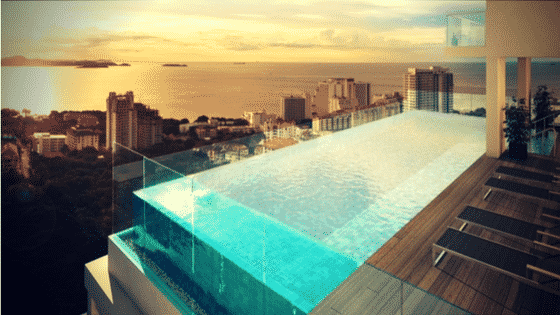
 

How to Spend Your French Retirement in Thailand?

Complete guide to retiring in Thailand as a French citizen: visas, budget, healthcare, best cities. Everything you need to know before making the move.


📅 Published in 2016 — Updated in June 2026
🏥 Major change: health insurance has been compulsory since 2019. Updated prices and conditions.

🌴 Retirement in Thailand in 2026

🏥 MANDATORY health insurance (since October 1, 2019)

This is THE major change. Before 2019, no insurance was required. Today: no insurance = no O-A visa.

BlanketMinimum required
🏨 Hospitalization (IPD)฿400,000 (≈€10,500)
🩺 Outpatient (OPD)฿40,000 (≈ €1,050)
🦠 COVID-19 (since 2021)฿3,000,000 (US$100,000)

💰 Insurance budget: 15,000 – 80,000 ฿/year depending on age and coverage.

💰 O-A visa financial conditions (unchanged)

  • 🏦 Option 1: ฿800,000 in Thai bank (deposited for at least 2 months)
  • 💵 Option 2: Monthly income ≥ ฿65,000/month (≈ €1,710)
  • 📊 Option 3: Deposit + income combination = ฿800,000/year

🏷️ Updated cost of living — June 2026

Sources: Numbeo May 2026, SmartLifeThailand, WhereNext.

JobBangkokChiang MaiPhuket
🏠 Furnished 1 bedroom accommodation15,000 – 25,000 ฿8,000 – 15,000 ฿15,000 – 25,000 ฿
🍜 Food8,000 – 15,000 ฿฿5,000 – ฿8,0008,000 – 15,000 ฿
🚕 Transportation2,000 – 5,000 ฿2,000 – 3,000 ฿3,000 – 6,000 ฿
📶 Internet + mobile900 – 1,500 ฿900 – 1,500 ฿900 – 1,500 ฿
🏥 Health insurance3,000 – 7,000 ฿3,000 – 7,000 ฿3,000 – 7,000 ฿
🎉 Leisure3,000 – 10,000 ฿2,000 – 5,000 ฿฿5,000 – 15,000
TOTAL35,000 – 70,000 ฿25,000 – 50,000 ฿40,000 – 80,000 ฿

💱 In euros: Chiang Mai 660-1,315€ | Bangkok €920-1,840 | Phuket 1,050-2,100€ (rate 1€ ≈ 38฿)

🚗 Transport in 2026

  • 📱 Grab (= Uber): everywhere. Motorcycle from ฿25, car from ฿60
  • 🚇 BTS/MRT Bangkok: extended network (yellow + pink lines added 2023-24). 17-62 ฿/ride
  • ✈️ Internal flights: AirAsia, Thai VietJet — Bangkok-Chiang Mai from ฿800

📶 Telecommunications

  • 📡 5G: available Bangkok, Chiang Mai, Phuket since 2022
  • 📱 Operators: AIS, True (merged with DTAC in 2023) — unlimited from ฿300/month
  • 🌐 Optical fiber: True/AIS/3BB — 200 Mbps from ฿600, 1 Gbps from ฿900/month

⬇️ Before it was like that…


📺 The original article

To start, go as a tourist, I recommend a plane ticket on Expedia and a simple hotel room. It’s not expensive!

6 reasons to retire in Thailand plus the video:

1* The climate is hot:

With a retreat in Thailand, you are in a tropical climate. This confirms that you will have heat all year round divided into 3 periods. A dry season from January to June which is the hottest. A rainy season from July to the end of September. Depending on the year, this can continue until October. A mild season from November to January. As for temperatures, they vary little and are between 25 and 40 degrees. Thailand is a country that has more than 200 beaches and places accessible on foot, by bike, by car from land to go swimming and enjoy bays, coves, and rivers, torrents or streams.

ADVICE: From a medical point of view, a general practitioner reminds you that you must make sure you can tolerate such heat. With age, people who were not sensitive to heat can become so. I advise you to do long immersions of 1 to 2 months as a simple tourist to start.  I think that at 60 you should not overestimate your strength and take care of yourself before you start. I saw Europeans of this age fainting in the streets of Bangkok during the hot season between March and May.

2 * Leisure activities for retirees in Thailand:

For your retirement in Thailand, the country is visually rich. A diversity that makes us fall in love with the country when we come there for the first time.  Your weeks will pass by at the pace of walks.  Organized hikes in the forest in the form of treks in search of fauna and flora in the north of the country. Chiang Mai and Chiang Rai are magnificent cities to see and not far from Laos. From the north, you can easily reach the capital of Laos: Vientiane.

Visit the islands of Thailand, and board the sublime beaches for you. Take a boat from the Surat region and visit Ko Samui, one of the islands best known to lovers. If you are retired single, go and reunite with your youth in Ko Phangan for a visit to the most festive island in Thailand and the world.  You can also take a boat and go on a sea adventure along the coast, or rent a motorbike and prepare a road trip on the roads of Thailand.

Be careful on the roads, as encountering elephants is common. They cross the road, and keep in mind that you are at their house. It is therefore wiser to stay away if this happens to you and to turn off the engine so as not to attract attention or not to honk your horn. Thailand has nothing to do with the weekends you spent in France, because winter no longer exists and you will learn to spend all your time outside of your home.

3* Good infrastructure in Thailand:

Many airlines operate daily internal flights. Connections provided by several low-cost airlines to Phuket, Ko Samui, Chiang Mai, Chiang Rai, Krabi and Air Asia. The choice of public transport is wide. The train is also a typical and authentic way to discover the country because the wagons are old. You’ll feel like you’re back in the 70s, but it’s worth the occasional night trip. Tuk-tuks are also a typical choice to make at least once if you want to feel like you’re on an adventure. However, I recommend “Meters” taxis because they are more honest and will not try to take you to a clothing store in exchange for a fuel coupon.

For your retirement in Thailand, on the telecommunications side it is high speed. In large cities, I have not noticed any problem sending SMS, MMS, or even an email or even making a video chat from your smartphone. All the applications work in Thailand, I tested messenger, Facebook, Facetime, Skype, or even what’s app and also the one for dating like Tinder. Sim cards are not expensive and are between 300 and 600 baht. Duration ranges from one week to one month. You can buy them at airports, skytrain stations, or even in supermarkets across the country.

In some remote areas, you will no longer have internet, but you can make a call in the middle of the jungle. In the mountain villages, I noticed in the Chiang Mai region that this was possible at times. The villagers have a rudimentary lifestyle but not without their smartphone, which is what made me smile after spending a few nights there.

4* Buddhist Culture and “zenitude”

Thailand is a country that is beyond our time and our benchmarks. You will have to relearn what you have learned, observe before speaking, listen before acting. The rules are the same for all Thais but not for you. You will never be Thai even after 20 years of living in the country. Retired “Farang” you are and will remain, but you will be well received if you respect the traditions. Retirement in Thailand is about respecting your hosts. Respect is not a small notion in the country of Siam, it is a taught quality. The temples represent this respect but also this inner peace. When I went to the temples, I felt calm and real happiness. You have to experience it to understand it and above all to listen to the vibrations and sensations.

Here are a few things to do when you go to a temple. Try to throw prayer sticks, look at the number that comes out and ask for your prediction in exchange for a few baths. The Thai are generous donors with their religion so honor them. Not giving money to Buddha is a lack of respect if you are accompanied by a Thai woman or man. Put a bell on the rope with the others for good luck. Rub the gongs and listen to the sound that comes out for your prosperity.  Write your first name on an orange cloth that the monks use for their clothing to keep you healthy. In short, the rituals to honor Buddha and the Thai religion are numerous. In the south of the country, you will come across more Thai Muslims even though 90% of the population is Buddhist.

5* Intoxicating and delicious cuisine with or without chili for your retirement in Thailand!

Do not think that each stroke of the wand will necessarily be accompanied by the start of fire in the mouth. Thai cuisine is one of the most popular in North and South Asia. Passing from Japan, through Indonesia, China, even India, all the inhabitants of this region of the world appreciate it. It’s mild, sweet, salty, strong, or just salty. To tell the truth, everything will depend on the recipe, the region, and the person who prepares the dish for you. In Bangkok, “pad Thai” (see recipe) is eaten with eggs, chicken and spices.

In Chiang Mai in cooking schools, cooks do it with a different variation. They add garlic, spring onion, a sweet sauce and slices of round squash. It really depends on the local culture. Some will say that they do not have these dishes in this form to taste. However, not everyone has the same life as you at the same time with the same Thai cook. The food cooked on the street is delicious and you won’t get sick. Chicken skewers, pork skewers, shrimp, grilled lobster, meatballs, the choice is wide.

On the other hand, if you touch cut fruits and uncooked vegetables, you take a little more risk. I had the experience of eating it once, and I understood that sweet raw vegetables are not bacteria-free. At worst, you will have diarrhea for 3 to 5 days. I fell for a mango but it wasn’t healthy, so I bought the whole one. For coconut ice cream: be careful too! It is delicious but if you are sensitive, go with moderation.

6* You will truly live or relive!

As explained in the video, your purchasing power will return to an acceptable level. In Thailand, no more difficult ends to the month with your retirement.  In France this only allows you to pay bills and you have no pleasure aside. In France with a small pension, you will have to be content with going out to the park or going to the forest. For retirement in Thailand, you will have better. For a pension of €1,200 you will be able to receive approximately 48,000 baths (depending on the exchange rate of the bath). This gain in purchasing power can be explained by the weakness of the bath compared to the euro. An apartment in Bangkok is still expensive because you will need to pay 20,000 bath per month but a house in Phuket can be 15,000 bath per month like mine.

But an apartment in Chiang Mai or Chiang Rai is much less. We have to fall back on towns in the provinces to get by better. It’s the same as in France, Paris will always be more expensive than the provinces. To eat and dress, this is where you will be able to spend less than in France. And the rest will be for your leisure and moving around in Thailand. As you are in the sun, sometimes you just need to go to the swimming pool at the residence, or even go to the sea to relax without spending a lot. The climate and travel conditions are favorable, and you will therefore be surprised by this new freedom.

The activities in your month will be numerous and you will flourish much more.  Hoping that my advice will guide your path, have a good retirement in Thailand. Please note that you can apply for a visa as soon as you turn 50.

Useful links on the Long-term VISA:

  • Embassy of Thailand in France in Paris
  • List of competent French lawyers in Thailand


Comment trouver un logement en Thaïlande ? 

📅 Publié en 2017 — Mis à jour en juin 2026
🏠 Nouvelles plateformes, prix actualisés, conseils pratiques pour 2026.

🏠 Trouver un logement en Thaïlande en 2026

🔍 Plateformes de recherche modernes

PlateformeTypePoints forts
🟡 Hipflat (hipflat.co.th)Location + achatLe plus complet, EN/TH, photos vérifiées
🟢 DDpropertyLocation + achatTrès utilisé par les locaux, condos neufs
🔵 FazWazSpécialisé étrangersAgents EN/FR, accompagnement complet
📘 Facebook GroupsParticuliers« [ville] apartments for rent » — très actif
🏡 Airbnb mensuelTest 1-3 moisIdéal pour tester un quartier avant bail

💰 Prix location mensuels (2026)

VilleStudio/1ch centre2 chambresMaison/Villa
🏙️ Bangkok15 000 – 25 000 ฿25 000 – 50 000 ฿40 000 – 100 000+ ฿
🌿 Chiang Mai8 000 – 15 000 ฿12 000 – 25 000 ฿15 000 – 30 000 ฿
🏖️ Phuket15 000 – 25 000 ฿20 000 – 40 000 ฿25 000 – 100 000+ ฿
🌊 Pattaya8 000 – 18 000 ฿15 000 – 30 000 ฿20 000 – 40 000 ฿

📍 Quartiers recommandés (expatriés francophones)

  • 🏙️ Bangkok : Sukhumvit (Soi 1-55), Sathorn, Silom — Alliance Française Soi 1, Bumrungrad Soi 3
  • 🌿 Chiang Mai : Nimman (cafés, coworking), Old City, Hang Dong (familles)
  • 🏖️ Phuket : Rawai/Nai Harn (communauté expat), Chalong (central, abordable)

⚠️ Points de vigilance 2026

  • 💳 Caution : 2 mois dépôt + 1 mois avance (standard)
  • Électricité : Tarif officiel PEA = 4-5 ฿/unité. Certains condos facturent 7-8 ฿ (vérifiez !)
  • 📄 Contrat : Exigez bilingue thaï-anglais. Vérifiez la clause de résiliation
  • 🤝 Négociation : Possible sur baux 6+ mois, surtout en basse saison (mai-octobre)
  • 🌐 Internet : Vérifiez que la fibre arrive dans l’immeuble avant de signer

🏗️ Acheter — Le Condominium Act (inchangé)

  • ✅ Un étranger peut acheter un condo en pleine propriété (quota 49% étrangers/immeuble)
  • ❌ Un étranger ne peut PAS acheter un terrain ni une maison en son nom
  • 🔄 Alternatives maison : Bail 30 ans (leasehold), société thaïlandaise, nom du conjoint thaïlandais

⬇️ Avant c’était comme ça…


📺 L’article original

Vous avez enfin trouvé un travail en Thaïlande (voir l’article : comment trouver un job en Thaïlande ?) et souhaitez vous y installer ou vous avez décidé de passer votre retraite dans ce coin de paradis asiatique et il est temps pour vous de trouver un logement en Thaïlande. Vous devez absolument connaître et respecter les législations concernant l’accès à la propriété et la location de biens immobiliers pour les étrangers avant de vous lancer dans votre projet. La Thaïlande a depuis les années 1992 renouvelé le Condominium Act. Cette loi regroupe tous les articles qui régissent la propriété physique de bien immobilier pour les étrangers dans le pays. Avant 1992, aucun étranger n’avait accès la propriété immobilière en Thaïlande.

Acheter un logement en Thaïlande 

Connu pour être un pays agréable, que ce soit sur le plan climatique et touristique ou sur le plan des affaires, la Thaïlande attire de plus en plus d’européens (classé dans le top 10 des pays le plus touristique au monde selon différentes sources medias) et notamment de Français chaque année. La plupart décide de s’y installer définitivement. Il est nécessaire de connaître toutes les règles stipulées par la loi Thaïlandaise concernant l’accès des étrangers à la propriété et notamment l’achat avant de se lancer.

Les conditions pour trouver un logement en Thaïlande

Un appartement répondant aux conditions de Condominium, soit un appartement sis dans un bâtiment en copropriété détenu à 51% au minimum par des Thaïlandais, peut faire l’objet d’acquisition par un immigré (un français). L’acquéreur étranger qui achète un appartement éligible est dénommé officiellement propriétaire et dispose des papiers administratifs attestant qu’il possède officiellement le bien immobilier. Il a donc accès aux actes de propriété, de cessibilité, de transmissibilité. Il s’agit d’une situation de Freehold pour trouver un logement en Thaïlande. Le système Freehold consiste à laisser libre droit au preneur si toutes les clauses sont respectées. Ainsi, l’acquéreur Français est tout à fait libre de mettre son appartement en location ou à la vente.

Acheter une maison en Thaïlande

Suivant le système Leashold, un étranger peut acheter une maison en Thaïlande. Cependant, le terrain reste la propriété exclusive des Thaïlandais. Le terrain fait l’objet d’un bail sous contrat de location de 30 ans renouvelable 2 fois.

Les avantages de l’achat immobilier en Thaïlande

Un Français présente un avantage financier important en achetant un bien immobilier en Thaïlande. En effet, avec un pouvoir d’achat élevé dans un pays où le coût de la vie est encore bas, un Français peut investir dans des biens immobiliers de standing, pour pouvoir trouver un logement en Thaïlande. Il peut ainsi s’offrir des conditions de vie aisées et/ou afin de pouvoir se faire des bénéfices rapidement.

Les inconvénients de l’achat immobilier en Thaïlande

Le plus grand inconvénient de l’achat de bien immobilier en Asie du Sud Est est sans aucun doute la difficulté d’acquisition. Il est indispensable de faire appel à un professionnel en immobilier (un expert en investissement ou un conseil juridique) pour s’assurer de ne pas se faire arnaquer. Par ailleurs, les procédures liées à la transaction se font généralement sur une longue durée pour trouver un logement en Thaïlande.

Les formalités pour la location d’un logement en Thaïlande 

La location de tous les types de logement est accessible aux étrangers sous présentation d’un visa valide et d’un passeport. Voir les différents visas en cours sur le site de l’ambassade royale de Thaïlande à Paris.

Les différents types de contrat de location

Les contrats de location sont à durée déterminée. Toutefois renouvelable de 1 mois à 11 mois pour les contrats à courte durée, de 1 à 3 ans pour ceux à long terme. Un étranger a la possibilité de louer un bien immobilier d’habitation pour une très longue durée allant de 3 ans à 30 ans. Tous les contrats de location de bien immobilier excédant une durée de 3 ans en Thaïlande doivent généralement être enregistrés auprès du Département des Terres. Ce département gouvernemental est en charge de la délivrance des titres de propriété foncière, de l’enregistrement des transactions immobilières en Thaïlande, de la topographie foncière ainsi que de la cartographie.

Toutefois, il est à noter que les clauses de la loi immobilière Thaïlandaise accordent plus de droit et d’importance au propriétaire étranger que ceux locataire. Pour trouver un logement en Thaïlande, il est donc primordial de respecter tous les points de contrat de location. Comme éviter la sous-location sous peine de conflits immédiats avec le propriétaire. Celui-ci demandera au moment de la signature du contrat de location le paiement de 2 mois de caution et 1 mois de loyer.

Avantages de la location en Thaïlande

La location représente une solution de logement économique. En effet, les loyers comprennent toujours les charges. Il n’est donc plus nécessaire de mettre de côté une somme variable pour payer ces factures puisque ces dernières sont incluses dans le montant du loyer mensuel. Par ailleurs, la majorité des biens immobiliers en location en Thaïlande sont meublés, agencés et entièrement équipés. Vous n’avez plus à organiser le déménagement d’une ville à une autre. Finies également les attentes pour l’acheminement des meubles, des appareils et mobiliers. Vous pouvez intégrer immédiatement votre logement et y vivre confortablement dès la conclusion de la transaction immobilière.

Inconvénients de la location en Thaïlande

Le fait de louer un logement déjà meublé et décoré présente cependant un inconvénient important : l’impossibilité de s’approprier les lieux. Certaines personnes ne se sentent pas à leur aise dans ce cadre de vie. En plus des réglementations gouvernementales drastiques et de l’imposition de l’agencement, certains propriétaires thaïlandais n’hésitent pas à poser des conditions. Elles parfois sévères comme l’interdiction de posséder un animal de compagnie, la limitation du nombre de personnes occupant le logement ou vivre avec des personnes handicapées*. (*source d’une agence en Thaïlande : tristes mesures…)

Contacter avec une agence immobilière francophone 

Trouver une agence immobilière francophone est la meilleure solution. Elle vous aidera pour louer ou acheter un bien immobilier. Elle répondra à vos besoins et vos attentes. La Company Vauban, appartenant à un groupe international spécialisé dans le secteur immobilier dispose d’un réseau de 6 agences établies en Thaïlande et notamment dans les villes principales : à Bangkok, à Chiang Mai, à Phuket.

Cette agence en Thaïlande dispensent toutes les informations relatives aux législations et à la réglementation. Elle vous explique que l’accès aux étrangers à la propriété en Thaïlande est une épreuve réalisable. L’agence proposent un accompagnement personnalisé de la recherche de biens immobiliers éligibles et appropriés jusqu’à la concrétisation des transactions immobilières. Achat ou location le mieux est toujours d’avoir à faire une entreprise sérieuse pour vous aider. Cette agence m’a été donné par un avocat thaïlandais francophone spécialisé dans le droit à l’immobilier.

Réservez un Airbnb

Pour un premier séjour en Thaïlande et vous faire une idée du logement, réservez via Airbnb. Ainsi vous vous faites votre avis du style de vie qui vous attendra sur place. Des réservations possibles à Bangkok, Chiang Mai, Chiang Rai, Phuket, Ko Samui ou d’autres villes et régions. Utilisez ce lien vous rapportera 35 € de crédit lors de l’inscription et 65€ de plus lors de votre première réservation. Cela vous paiera 1 nuit en moyenne sur place. Un petit cadeau en partenariat avec Airbnb et Francejetequitte.

[box] Je n’ai pas fait cet article pour faire de la publicité à Airbnb mais vraiment pour vous rendre service comme tout le contenu du site Francejetequitte, donc merci de poster que des commentaires constructifs (vos expériences par exemple) .[/box]


[button link= »http://www.airbnb.fr/c/alexm5338″ type= »small » color= »black » newwindow= »yes »] RÉSERVEZ AIRBNB[/button]

How to Find Housing in Thailand?

Complete guide to finding an apartment or house in Thailand: neighborhoods, prices, agencies, and negotiation tips.


📅 Published in 2017 — Updated in June 2026
🏠 Nouvelles plateformes, prix actualisés, conseils pratiques pour 2026.

🏠 Find accommodation in Thailand in 2026

🔍 Modern search platforms

PlatformKindHighlights
🟡 Hipflat (hipflat.co.th)Rental + purchaseThe most complete, EN/TH, verified photos
🟢DDpropertyRental + purchaseVery used by locals, new condos
🔵 FazWazSpecialized foreignersEN/FR agents, complete support
📘 Facebook GroupsIndividuals“[city] apartments for rent” — very active
🏡 Monthly AirbnbTest 1-3 monthsIdeal for testing a neighborhood before lease

💰 Monthly rental prices (2026)

CityStudio/1 bedroom center2 bedroomsHouse/Villa
🏙️Bangkok15,000 – 25,000 ฿25,000 – 50,000 ฿40,000 – 100,000+ ฿
🌿 Chiang Mai8,000 – 15,000 ฿12,000 – 25,000 ฿15,000 – 30,000 ฿
🏖️ Phuket15,000 – 25,000 ฿20,000 – 40,000 ฿25,000 – 100,000+ ฿
🌊 Pattaya8,000 – 18,000 ฿15,000 – 30,000 ฿20,000 – 40,000 ฿

📍 Recommended neighborhoods (French-speaking expatriates)

  • 🏙️ Bangkok: Sukhumvit (Soi 1-55), Sathorn, Silom — Alliance Frenche Soi 1, Bumrungrad Soi 3
  • 🌿 Chiang Mai: Nimman (cafes, coworking), Old City, Hang Dong (families)
  • 🏖️ Phuket: Rawai/Nai Harn (expat community), Chalong (central, affordable)

⚠️ Points of vigilance 2026

  • 💳 Deposit: 2 months deposit + 1 month advance (standard)
  • ⚡ Electricity: Official PEA rate = 4-5 ฿/unit. Some condos charge ฿7-8 (check!)
  • 📄 Contract: Require bilingual Thai-English. Check the termination clause
  • 🤝 Negotiation: Possible on 6+ month leases, especially in low season (May-October)
  • 🌐 Internet: Check that the fiber reaches the building before signing

🏗️ Buy — The Condominium Act (unchanged)

  • ✅ A foreigner can buy a condo in full ownership (quota 49% foreigners/building)
  • ❌ A foreigner cannot buy land or a house in his name
  • 🔄 Home alternatives: 30-year lease, Thai company, Thai spouse’s name

⬇️ Before it was like that…


📺 The original article

You have finally found a job in Thailand (see the article: how to find a job in Thailand?) and wish to settle there or you have decided to spend your retirement in this corner of Asian paradise and it is time for you to find accommodation in Thailand. You must absolutely know and respect the legislation concerning access to property and the rental of real estate for foreigners before embarking on your project. Since 1992, Thailand has renewed the Condominium Act. This law brings together all the articles that govern the physical ownership of real estate for foreigners in the country. Before 1992, no foreigner had access to real estate ownership in Thailand.

Buying accommodation in Thailand

Known to be a pleasant country, whether in terms of climate and tourism or in terms of business, Thailand attracts more and more Europeans (ranked in the top 10 most touristy countries in the world according to different media sources) and in particular French people each year. Most decide to settle there permanently. It is necessary to know all the rules stipulated by Thai law concerning access of foreigners to property and in particular purchase before getting started.

Conditions for finding accommodation in Thailand

An apartment meeting the conditions of Condominium, i.e. an apartment located in a co-owned building at least 51% owned by Thais, can be acquired by an immigrant (a French person). The foreign buyer who purchases an eligible apartment is officially called the owner and has administrative papers attesting that he officially owns the property. He therefore has access to acts of ownership, transferability and transmissibility. This is a Freehold situation to find accommodation in Thailand. The Freehold system consists of giving free rights to the lessee if all the clauses are respected. Thus, the French buyer is completely free to rent or sell their apartment.

Buy a house in Thailand

According to the Leashold system, a foreigner can buy a house in Thailand. However, the land remains the exclusive property of the Thais. The land is subject to a lease under a 30-year rental contract, renewable twice.

The advantages of buying real estate in Thailand

A French person has a significant financial advantage when purchasing real estate in Thailand. Indeed, with high purchasing power in a country where the cost of living is still low, a French person can invest in luxury real estate, to be able to find accommodation in Thailand. He can thus afford easy living conditions and/or in order to be able to make a profit quickly.

The disadvantages of buying real estate in Thailand

The biggest disadvantage of purchasing real estate in South East Asia is undoubtedly the difficulty of acquisition. It is essential to call on a real estate professional (an investment expert or legal advisor) to ensure that you do not get scammed. Furthermore, the procedures related to the transaction generally take a long time to find accommodation in Thailand.

Formalities for renting accommodation in Thailand

The rental of all types of accommodation is accessible to foreigners upon presentation of a valid visa and a passport. See the different visas in progress on the website of the Royal Thai Embassy in Paris.

The different types of rental contract

Rental contracts are for a fixed term. However, renewable from 1 month to 11 months for short-term contracts, from 1 to 3 years for long-term contracts. A foreigner has the possibility of renting residential real estate for a very long period ranging from 3 years to 30 years. All rental contracts for real estate exceeding a duration of 3 years in Thailand must generally be registered with the Department of Lands. This government department is responsible for issuing land titles, recording real estate transactions in Thailand, land topography and cartography.

However, it should be noted that the clauses of the Thai real estate law grant more rights and importance to the foreign owner than to the tenant. To find accommodation in Thailand, it is therefore essential to respect all the points of the rental contract. Like avoiding subletting under penalty of immediate conflicts with the owner. The latter will request payment of 2 months’ deposit and 1 month’s rent at the time of signing the rental contract.

Advantages of renting in Thailand

Renting represents an economical housing solution. Indeed, rents always include charges. It is therefore no longer necessary to set aside a variable amount to pay these bills since they are included in the amount of the monthly rent. Furthermore, the majority of rental properties in Thailand are furnished, fitted out and fully equipped. You no longer have to organize the move from one city to another. Also no more waiting for the delivery of furniture, appliances and furnishings. You can immediately move into your home and live there comfortably as soon as the real estate transaction is concluded.

Disadvantages of renting in Thailand

Renting accommodation that is already furnished and decorated, however, has a significant disadvantage: the impossibility of making the premises your own. Some people do not feel comfortable in this living environment. In addition to drastic government regulations and the imposition of layout, some Thai landlords do not hesitate to impose conditions. They are sometimes severe, such as a ban on owning a pet, limiting the number of people occupying the accommodation or living with disabled people*. (*source of an agency in Thailand: sad measures…)

Contact a French-speaking real estate agency

Finding a French-speaking real estate agency is the best solution. She will help you rent or buy real estate. It will meet your needs and expectations. The Vauban Company, belonging to an international group specializing in the real estate sector, has a network of 6 agencies established in Thailand and particularly in the main cities: Bangkok, Chiang Mai, Phuket.

This agency in Thailand provides all information relating to legislation and regulations. She explains to you that access to property for foreigners in Thailand is an achievable challenge. The agency offers personalized support from the search for eligible and appropriate real estate to the completion of real estate transactions. Buying or renting is always best if you have a serious company to help you. This agency was given to me by a French-speaking Thai lawyer specializing in real estate law.

Book an Airbnb

For a first stay in Thailand and to get an idea of ​​the accommodation, book via Airbnb. So you can form your opinion of the lifestyle that will await you there. Reservations possible in Bangkok, Chiang Mai, Chiang Rai, Phuket, Ko Samui or other cities and regions. Using this link will earn you €35 credit when registering and €65 more when making your first reservation. This will pay you 1 night on average on site. A little gift in partnership with Airbnb and Francejetequitte.

[box] I did not make this article to advertise Airbnb but really to be of service to you like all the content on the Francejetequitte site, so please post only constructive comments (your experiences for example).[/box]


[button link=”http://www.airbnb.fr/c/alexm5338″ type=”small” color=”black” newwindow=”yes”]BOOK AIRBNB[/button]

Quelle mutuelle des expatriés français prendra le relais de la CFE ?

📅 Publié en 2016 — Mis à jour en juin 2026
🆕 Le marché de l’assurance expatrié a explosé. Nouveaux acteurs, insurtech, couvertures adaptées.

🏥 Comparatif assurances expatrié 2026

  • CFE + complémentaire — 3 000-8 000 €/an | Trimestres retraite ✅ | Paiement direct ❌ | Visa O-A : ⚠️ à vérifier
  • April International (MyHealth) — 1 500-4 000 €/an | Franchise 0-3 000€ | Paiement direct ✅ | Visa O-A ✅
  • Allianz Care — 2 000-5 000 €/an | Franchise 0-5 000€ | Paiement direct ✅ | Visa O-A ✅
  • Cigna Global — 3 000-7 000 €/an | Franchise 0-10 000$ | Paiement direct ✅ | Visa O-A ✅
  • Foyer Global Health — 1 200-3 000 €/an | Franchise 0-5 000€ | Paiement direct ✅ | Visa O-A ✅
  • Henner — 2 000-5 000 €/an | Franchise 0-2 000€ | Paiement direct ✅ | Visa O-A ✅
  • Luma Health (Bangkok) — 800-2 500 €/an | Assureur local ✅ | Visa O-A ✅
  • Pacific Cross (Bangkok) — 600-2 000 €/an | Liste TGIA ✅ | Visa O-A ✅

Tarifs indicatifs pour 50-65 ans en Asie. Varient selon âge, franchise et zone géographique.

✅ Checklist avant de souscrire

  1. 📋 Couverture ≥ 400 000 ฿ (IPD) + 40 000 ฿ (OPD) — exigence visa O-A
  2. 📄 Foreign Insurance Certificate disponible (si assureur étranger)
  3. 🏥 Bumrungrad, Bangkok Hospital, BNH en paiement direct ?
  4. 💰 Franchise : plus elle est haute, moins la prime est chère (attention : vous payez tout en dessous)
  5. 🩺 Maladies préexistantes : délai de carence 12-24 mois habituel
  6. ✈️ Rapatriement inclus ou en option ? (coût réel : 30 000-80 000 €)
  7. 🌍 Zone « Asie » moins cher que « Monde entier » — prenez « Monde hors USA » si pas de voyages USA
  8. 🏍️ Exclusions : sports extrêmes, moto > 125cc, dentaire, optique souvent exclus
  9. 🎂 Âge limite d’entrée : certains refusent les > 65-70 ans
  10. 📝 Résiliation unilatérale : l’assureur peut-il vous lâcher au renouvellement ?

⬇️ Avant c’était comme ça…


📺 L’article original

Trouver la mutuelle qui s’emboîte parfaitement avec la CFE !

Difficile de trouver « la mutuelle des expatriés français ». Déjà parce que vos besoins ne sont pas identiques d’une personne à une autre et que vous conseiller là-dessus n’est pas un choix simple. Alors je vais me placer d’un point de vue général. Commençons déjà par l’option du tiers payant, il doit être existant et prendre le relais de la CFE (lire l’article sur la CFE). Ensuite si je devais la choisir, je la prendrais par paliers. Les garanties doivent être proposées par plusieurs options (Optique, dentaires, ostéopathie, orthodontie..), et pour finir si elle est française c’est encore mieux pour comprendre toutes les lignes du contrat.

Donc voici les critères généraux qui me séduiront en tant qu’assuré. Mais en matière de mutuelle, vous pouvez aussi faire appel à des assurances locales dans le pays d’accueil. Personnellement ce n’est pas mon choix, et je ne suis pas chaud à vous faire prendre ce chemin car la CFE est déjà une bonne base. Mais je ne suis pas là pour vous dire ce que vous avez à faire mais plutôt pour aider à trancher. Cette mutuelle existe en France et s’appelle : l’ASFE.

L’assurance santé des Français à l’étranger, c’est la mutuelle des expatriés français

ASFE, Association de Services des Français de l’étranger, créée en 1992, est une association de loi 1901. Elle travaille en partenariat avec MSH international dont vous pouvez voir la vidéo ci-dessus. Leur vocation est d’apporter des solutions à tous les expatriés dans le monde entier en matière de couverture santé, optique / dentaire, maternité, assistance médicale / rapatriement et prévoyance. Leurs offres sont complètes et apportent à chaque assuré des solutions adaptées selon le niveau de garantie souhaité, son âge, sa situation de famille et son pays d’expatriation. Selon une enquête publique de 2010, 91% des adhérents sont satisfaits et recommanderaient l’ASFE à d’autres expatriés.

Pour cette mutuelle des expatriés français, Il existe 4 centres de gestion dans le monde dont un à Paris et un en Asie où on vous parle en Français. Si vous n’aimez pas l’Anglais alors dites vous que ce service vaut de l’or. 7 jours/7 et 24h/24h quel que soit le pays d’expatriation, les équipes de l’ASFE veillent à la proximité par e mail et par téléphone pour toutes vos questions. J’ai testé un appel, et j’avoue que les réponses sont bonnes et judicieuses. l’ASFE regroupe 330 000 bénéficiaires et 860 000 prestataires médicaux sur 20 ans d’expériences.

Quel est l’atout de la ASFE ?

Son atout c’est son « mode » mutuelle pour passer en complément de la CFE. Elle propose de faire comme votre mutuelle Française et de compléter les dépenses de santé liées à la visite médicale, l’hospitalisation et autres situations. Bref, comme vous allez changer de vie, autant vous faciliter la chose en partant du principe que vous n’allez pas avoir à changer d’habitude de remboursement. Le système à la française sera donc toujours possible dans votre futur pays.

CFE + ASFE = 100% remboursé.

Voici le lien pour voir ce service de mutuelle :  https://www.asfe-expat.com/index.php?a=fr&b=Nos-Solutions&c=Relais-Expat-Plus

Conclusion

Il existe certainement d’autres solutions dans le monde, mais je n’en parlerais pas sur ce site. Je me place ici, comme un français qui ne veut pas trop changer son système de remboursement. Mon avis est simple : plus on peut garder ses habitudes, plus cela rassure dans son projet. Libre à vous de prendre ou pas ma solution, tout en vous souhaitant une belle nouvelle vie.

Quelques liens direct par fiche pays sur l’ASFE :

Les coordonnées de l’ASFE pour les joindre en France : +33 (0)1 44 20 48 77

Which French Expat Health Insurance Will Take Over from the CFE?

Comparing health insurance options for French expats: CFE alternatives, private insurers, and coverage analysis.

📅 Published in 2016 — Updated in June 2026
🆕 The expatriate insurance market has exploded. New players, insurtech, adapted coverage.

🏥 Expatriate insurance comparison 2026

  • CFE + complementary — €3,000-8,000/year | Retirement quarters ✅ | Direct payment ❌ | O-A visa: ⚠️ to check
  • April International (MyHealth) — €1,500-4,000/year | Franchise 0-3,000€ | Direct payment ✅ | Visa O-A ✅
  • Allianz Care — €2,000-5,000/year | Franchise 0-5,000€ | Direct payment ✅ | Visa O-A ✅
  • Cigna Global — €3,000-7,000/year | Deductible $0-10,000 | Direct payment ✅ | Visa O-A ✅
  • Foyer Global Health — €1,200-3,000/year | Franchise 0-5,000€ | Direct payment ✅ | Visa O-A ✅
  • Henner — €2,000-5,000/year | Franchise 0-2,000€ | Direct payment ✅ | Visa O-A ✅
  • Luma Health (Bangkok) — €800-2,500/year | Local insurer ✅ | Visa O-A ✅
  • Pacific Cross (Bangkok) — €600-2,000/year | TGIA List ✅ | Visa O-A ✅

Indicative rates for 50-65 year olds in Asia. Vary depending on age, franchise and geographic area.

✅ Checklist before subscribing

  1. 📋 Coverage ≥ 400,000 ฿ (IPD) + 40,000 ฿ (OPD) — O-A visa requirement
  2. 📄 Foreign Insurance Certificate available (if foreign insurer)
  3. 🏥 Bumrungrad, Bangkok Hospital, BNH in direct payment?
  4. 💰 Deductible: the higher it is, the cheaper the premium (note: you pay everything below)
  5. 🩺 Pre-existing illnesses: waiting period 12-24 months usual
  6. ✈️ Repatriation included or optional? (actual cost: €30,000-80,000)
  7. 🌍 “Asia” zone cheaper than “Worldwide” — take “World excluding USA” if no USA trips
  8. 🏍️ Exclusions: extreme sports, motorcycle > 125cc, dental, optics often excluded
  9. 🎂 Age limit for entry: some refuse those > 65-70 years old
  10. 📝 Unilateral termination: can the insurer let you go at renewal?

⬇️ Before it was like that…


📺 The original article

Find the mutual that fits perfectly with the CFE!

Difficult to find “French expatriate mutual insurance”. Firstly because your needs are not the same from one person to another and advising you on this is not a simple choice. So I’m going to take a general point of view. Let’s start with the third party payment option, it must be existing and take over from the CFE (read the article on the CFE). Then if I had to choose it, I would take it in stages. The guarantees must be offered by several options (Optical, dental, osteopathy, orthodontics, etc.), and finally if it is French it is even better to understand all the lines of the contract.

So here are the general criteria that will appeal to me as an insured. But in terms of mutual insurance, you can also use local insurance in the host country. Personally it is not my choice, and I am not keen to make you take this path because the CFE is already a good basis. But I’m not here to tell you what to do, but rather to help you decide. This mutual exists in France and is called: ASFE.


Health insurance for French people abroad is mutual insurance for French expatriates

ASFE, Association of Services for French Abroad, created in 1992, is an association governed by the 1901 law. It works in partnership with MSH international, the video of which you can see above. Their mission is to provide solutions to all expatriates around the world in terms of health, optical/dental, maternity, medical assistance/repatriation and pension coverage. Their offers are comprehensive and provide each policyholder with solutions adapted to the desired level of guarantee, their age, their family situation and their country of expatriation. According to a 2010 public survey, 91% of members are satisfied and would recommend ASFE to other expatriates.

For this mutual insurance company for French expatriates, there are 4 management centers around the world, including one in Paris and one in Asia where we speak to you in French. If you don’t like English then tell yourself that this service is worth gold. 7 days a week, 24 hours a day, whatever the country of expatriation, the ASFE teams ensure proximity by email and telephone for all your questions. I tested a call, and I admit that the responses are good and judicious. ASFE brings together 330,000 beneficiaries and 860,000 medical providers over 20 years of experience.

What is ASFE’s advantage?

Its advantage is its mutual “mode” to complement the CFE. It offers to do like your French mutual insurance company and supplement health expenses related to medical visits, hospitalization and other situations. In short, as you are going to change your life, you might as well make things easier by assuming that you are not going to have to change your repayment habits. The French system will therefore always be possible in your future country.

CFE + ASFE = 100% refunded.

Here is the link to see this mutual service: https://www.asfe-expat.com/index.php?a=fr&b=Nos-Solutions&c=Relais-Expat-Plus

Conclusion

There are certainly other solutions in the world, but I won’t talk about them on this site. I place myself here, like a French person who doesn’t want to change his reimbursement system too much. My opinion is simple: the more you can keep your habits, the more reassuring it is in your project. It’s up to you to take my solution or not, while wishing you a wonderful new life.

Some direct links by country profile on ASFE:

  • India
  • Thailand
  • Cambodia
  • Vietnam
  • Malaysia
  • Myanmar
  • Japan
  • Indonesia

ASFE contact details to reach them in France: +33 (0)1 44 20 48 77