How to Optimize Your Backpack Before a Trip?

Essential tips to pack smart and light for a backpacking trip in Southeast Asia. Gear list and packing strategies.

Optimize your backpack: here are the things to put first.

    Optimizing your backpack is a priority. You need your papers, your first aid kit, something to sleep well in the great outdoors, protection against the sun and for your safety. In short, the list is long, very long. Here is the secret pouch to have against you on your chest under your clothes. A pocket that will be as flat as possible to store all of this:

  • Passport with tourism or work visas
  • Driving license
  • Assistance insurance card
  • International vaccination record
  • European health insurance card
  • Transport and accommodation reservations
  • Emergency number from abroad
  • International payment card (VISA, Mastercard…)
  • Cash in foreign currencies
  • Your smartphone

Optimize your backpack for your Pharmacy kit

    Then you need to find a place in a side pocket of the bag to store the first aid products:

  • Your first aid and pharmacy kit
  • Your important prescriptions
  • Your blood group card
  • Your vaccination card

Optimize your backpack for orientation

  • Maps, road and hiking maps, smartphone and Google Maps.
  • Old-fashioned compass.

Optimize your backpack for camping if necessary

  • A mosquito net hammock with integrated pillow.

Optimize your backpack to stay clean

  • Electric and classic toothbrush
  • Toothpaste
  • Antibacterial gel in small bottles
  • Neutral soap bar
  • Detergent in tube
  • Alum stone
  • Moisturizing cream
  • Nail clippers
  • Monthly protection for women
  • Forget makeup and accessories, girls, because you are in travel mode, not seduction mode.

Optimize your backpack to include the minimum amount of clothing

Depending on the climate zone, I recommend that you adapt. If it’s for a tropical climate, here’s what I suggest:

  • 1 pair of all-terrain shoes.
  • 1 pair of flip flops
  • 1 Waterproof windbreaker or anti-tropical rain
  • 3 t-shirts
  • 3 pairs of socks
  • 3 underwear
  • 3 different “bottoms” (pants/shorts/skirts)
  • 1 outfit for the night if you are cold but at night it is 25 degrees on average
  • A pair of sunglasses
  • A cap or hat
  • A backpack for treks with integrated water bottle
  • A Swiss knife or multi-pliers
  • Survival kit

Buying a new backpack because yours died?

  • Keep it simple like me, I recommend the good old decathlon far from home or online.

Comment optimiser son sac à dos avant un voyage ?

Optimiser son sac à dos: voici les choses à mettre en premier.

Optimiser son sac à dos est une priorité. Vous avez besoin de vos papiers, de votre trousse de secours, de quoi bien dormir en pleine nature, de vous protéger contre le soleil et pour votre sécurité. Bref la liste est longue, très longue. Déjà voici la pochette secrète à avoir contre vous sur votre torse en dessous les vêtements. Une pochette qui sera la plus plate possible pour ranger tout cela :
  • Passeport avec visas tourisme ou travail
  • Permis de conduire
  • Carte d’assurance-assistance
  • Carnet international de vaccination
  • Carte européenne d’assurance maladie
  • Réservations de transports et d’hébergements
  • N° d’urgence depuis l’étranger
  • Carte de paiement internationale (VISA, Mastercard…)
  • Espèces en devises étrangères
  • Votre smartphone

 Optimiser son sac à dos pour sa trousse à Pharmacie 

Ensuite vous devez trouver une place dans une pochette latérale du sac de quoi ranger les produits de premiers secours :
  • Votre trousse de secours et pharmacie
  • Vos ordonnances importantes
  • Votre carte de groupe sanguin
  • Votre carte de vaccinations

 Optimiser son sac à dos pour s’orienter

  • Plans, Cartes routières et de randonnées, smartphone et Google Maps.
  • Boussole à l’ancienne.

 Optimiser son sac à dos pour camper si besoin

  • Un hamac moustiquaire avec oreiller intégré.

 Optimiser son sac à dos pour rester propre 

  • Brosse à dent électrique et classique
  • Dentifrice
  • Gel antibactérien en petits flacons
  • Savon neutre en pavé
  • Lessive en tube
  • Pierre d’alun
  • Crème hydratante
  • Coupe ongles
  • Protection mensuel pour les femmes
  • Oublier le maquillage et la panoplie les filles car vous êtes en mode voyage pas en mode séduction.

Optimiser son sac à dos pour mettre le minimum de vêtements

Selon la zone climatique, je vous recommande de vous adapter. Si c’est pour un climat tropicale, voici ce que je propose : 

  • 1 paire de chaussures tout terrain.
  • 1 paire de tong
  • 1 Coupe-vent étanche ou anti-pluie tropicale
  • 3 t-shirts
  • 3 paires de chaussettes
  • 3 sous-vêtements
  • 3 « bas » différents (pantalons / shorts / jupes)
  • 1 tenue pour la nuit si vous avez froid mais la nuit il fait 25 degrés en moyenne
  • Une paire de lunette de soleil
  • Une casquette ou chapeau
  • Un sac à dos pour les treks avec gourde intégrer
  • Un couteau suisse ou multi-pinces
  • Kit de survie

Acheter un sac à dos neuf parce que le votre est mort ?

  • Faites simple comme moi, je recommande le bon vieux décathlon par loin de chez vous ou en ligne.

How Do Expatriates Deal with the Rising Cost of Living in Thailand?

Thailand’s cost of living has risen sharply. How do expats adapt their budget and lifestyle? Real figures and strategies.

📅 Published in 2022 — Updated in June 2026
📊 Sources: Numbeo (May 2026), SmartLifeThailand, WhereNext. Thailand remains 60% cheaper than Europe.

📊 Cost of living in Thailand — Figures June 2026

💰 Monthly budget per city (one person)

  • 🌿 Chiang Mai tight budget: 25,000-35,000 ฿ (660-920€) — street food, outdoor studio, local transport
  • 🌿 Comfortable Chiang Mai: ฿40,000-55,000 (€1,050-1,450) — modern condo, mix of restaurants, Grab
  • 🏙️ Bangkok tight budget: ฿35,000-50,000 (€920-1,315)
  • 🏙️ Comfortable Bangkok: ฿55,000-80,000 (€1,450-2,100)
  • 🏖️ Phuket tight budget: ฿35,000-55,000 (€920-1,450)
  • 🏖️ Comfortable Phuket: ฿60,000-90,000 (€1,580-2,370)

💱 Rate used: 1 EUR = 38 THB (June 2026).

🏠 Housing (monthly rent)

  • Bangkok center (studio/1 bedroom): 15,000-35,000 ฿ | Exterior: ฿7,500-16,000
  • Chiang Mai (studio/1 bedroom): ฿8,000-15,000 | Nimman modern condo: ฿12,000-15,000
  • Phuket (studio/1 bedroom): ฿15,000-25,000 | Pool villa: 40,000-100,000+ ฿

🍜 Food

  • Street food meal (pad thai, khao soi): 50-80 ฿
  • Local restaurant (dish + drink): 150-400 ฿
  • Western restaurant: ฿400-900
  • Cappuccino coffee: 80-120 ฿
  • Local beer (supermarket): 60-80 ฿
  • Milk 1L: 62 ฿ | Eggs (12): 85 ฿ | Rice 1kg: ฿46 | Chicken 1kg: 106 ฿

🚕 Transportation

  • BTS/MRT Bangkok: 17-62 ฿/way | Subscription: ฿1,155/month
  • Grab car (5 km): 80-150 ฿ | Motorcycle grab: 25-60 ฿
  • 1L gasoline: 44 ฿
  • Motorcycle rental/month: ฿2,500-4,000

📶 Services

  • Fiber Internet (200-1000 Mbps): 600-900 ฿/month
  • Unlimited mobile plan: ฿300-700/month
  • Electricity + water (85m²): ฿3,000-5,000/month
  • Gym: ฿1,500-3,000/month
  • Coworking Chiang Mai: 2,500-5,000 ฿ | Bangkok: ฿4,000-8,000

📈 What has increased since 2022

  • ⚡ Energy: +20-30% (global increase)
  • 🏠 Accommodation tourist areas: Phuket, Koh Samui +30-50% (digital nomads post-COVID)
  • 🍜 Street food: 30-50 ฿ (2020) → 50-80 ฿ (2026) — inflation + palm oil cost

✅ What remains affordable

  • 🍉 Local fruits/vegetables: markets still insignificant (mangoes ฿60/kg in season)
  • 🏥 Medical care: 3 to 5 times cheaper than in Europe
  • 📶 Internet: among the cheapest in Asia for excellent quality (5G + fiber)
  • 🚕 Transport: Motorcycle grab from ฿25

🌍 Comparison: Bangkok is 58.7% cheaper than New York (excluding rent) and around 40-50% cheaper than Paris. (Source: Numbeo, May 2026)


⬇️ Before it was like that…


📺 The original article

Update on Thai news on Sunday. Tim reviews the day’s top headlines then answers your questions and comments in our new Thaiger Weekend Update. The main topic is the increasing cost of living in Thailand and whether this will push more and more expats on fixed incomes to leave. But where will they go? An hour dedicated to the latest news headlines and a discussion with our online audience, who give us their opinions on the cost of living in Thailand compared to the rest of the world and how expats, some of whom are on fixed incomes, are coping with rising costs and inflation.

How much is your rent? How much does it cost you to live in Thailand? Where do expatriates go?

Copyright © 2022 Thaiger

source

Comment les expatriés font-ils face à l’augmentation du coût de la vie en Thaïlande ?

📅 Publié en 2022 — Mis à jour en juin 2026
📊 Sources : Numbeo (mai 2026), SmartLifeThailand, WhereNext. La Thaïlande reste 60% moins chère que l’Europe.

📊 Coût de la vie en Thaïlande — Chiffres juin 2026

💰 Budget mensuel par ville (une personne)

  • 🌿 Chiang Mai budget serré : 25 000-35 000 ฿ (660-920€) — street food, studio extérieur, transports locaux
  • 🌿 Chiang Mai confortable : 40 000-55 000 ฿ (1 050-1 450€) — condo moderne, mix restaurants, Grab
  • 🏙️ Bangkok budget serré : 35 000-50 000 ฿ (920-1 315€)
  • 🏙️ Bangkok confortable : 55 000-80 000 ฿ (1 450-2 100€)
  • 🏖️ Phuket budget serré : 35 000-55 000 ฿ (920-1 450€)
  • 🏖️ Phuket confortable : 60 000-90 000 ฿ (1 580-2 370€)

💱 Taux utilisé : 1 EUR = 38 THB (juin 2026).

🏠 Logement (loyer mensuel)

  • Bangkok centre (studio/1ch) : 15 000-35 000 ฿ | Extérieur : 7 500-16 000 ฿
  • Chiang Mai (studio/1ch) : 8 000-15 000 ฿ | Nimman condo moderne : 12 000-15 000 ฿
  • Phuket (studio/1ch) : 15 000-25 000 ฿ | Villa piscine : 40 000-100 000+ ฿

🍜 Alimentation

  • Repas street food (pad thai, khao soi) : 50-80 ฿
  • Restaurant local (plat + boisson) : 150-400 ฿
  • Restaurant occidental : 400-900 ฿
  • Café cappuccino : 80-120 ฿
  • Bière locale (supermarché) : 60-80 ฿
  • Lait 1L : 62 ฿ | Œufs (12) : 85 ฿ | Riz 1kg : 46 ฿ | Poulet 1kg : 106 ฿

🚕 Transport

  • BTS/MRT Bangkok : 17-62 ฿/trajet | Abonnement : 1 155 ฿/mois
  • Grab voiture (5 km) : 80-150 ฿ | Grab moto : 25-60 ฿
  • Essence 1L : 44 ฿
  • Location moto/mois : 2 500-4 000 ฿

📶 Services

  • Internet fibre (200-1000 Mbps) : 600-900 ฿/mois
  • Forfait mobile illimité : 300-700 ฿/mois
  • Électricité + eau (85m²) : 3 000-5 000 ฿/mois
  • Salle de sport : 1 500-3 000 ฿/mois
  • Coworking Chiang Mai : 2 500-5 000 ฿ | Bangkok : 4 000-8 000 ฿

📈 Ce qui a augmenté depuis 2022

  • Énergie : +20-30% (hausse mondiale)
  • 🏠 Logement zones touristiques : Phuket, Koh Samui +30-50% (digital nomads post-COVID)
  • 🍜 Street food : 30-50 ฿ (2020) → 50-80 ฿ (2026) — inflation + coût huile de palme

✅ Ce qui reste abordable

  • 🍉 Fruits/légumes locaux : marchés toujours dérisoires (mangues 60 ฿/kg en saison)
  • 🏥 Soins médicaux : 3 à 5× moins cher qu’en Europe
  • 📶 Internet : parmi les moins chers d’Asie pour une excellente qualité (5G + fibre)
  • 🚕 Transport : Grab moto dès 25 ฿

🌍 Comparaison : Bangkok est 58,7% moins cher que New York (hors loyer) et environ 40-50% moins cher que Paris. (Source : Numbeo, mai 2026)


⬇️ Avant c’était comme ça…


📺 L’article original

Le point sur l’actualité thaïlandaise du dimanche. Tim passe en revue les principaux titres de la journée puis répond à vos questions et commentaires dans notre nouvelle mise à jour du week-end Thaiger. Le sujet principal est l’augmentation du coût de la vie en Thaïlande et la question de savoir si cela va pousser de plus en plus d’expatriés qui ont des revenus fixes à partir. Mais où iront-ils ? Une heure consacrée aux derniers titres de l’actualité et à une discussion avec notre public en ligne, qui nous donne son avis sur le coût de la vie en Thaïlande par rapport au reste du monde et sur la façon dont les expatriés, dont certains ont un revenu fixe, font face à la hausse des coûts et à l’inflation.

Combien coûte votre loyer ? Combien cela vous coûte-t-il de vivre en Thaïlande ? Où vont les expatriés ?

Copyright © 2022 Thaiger

source

Visiting Chiang Mai, the City of a Thousand Temples

Complete guide to Chiang Mai, Thailand’s cultural capital: temples, markets, nature, and digital nomad life.


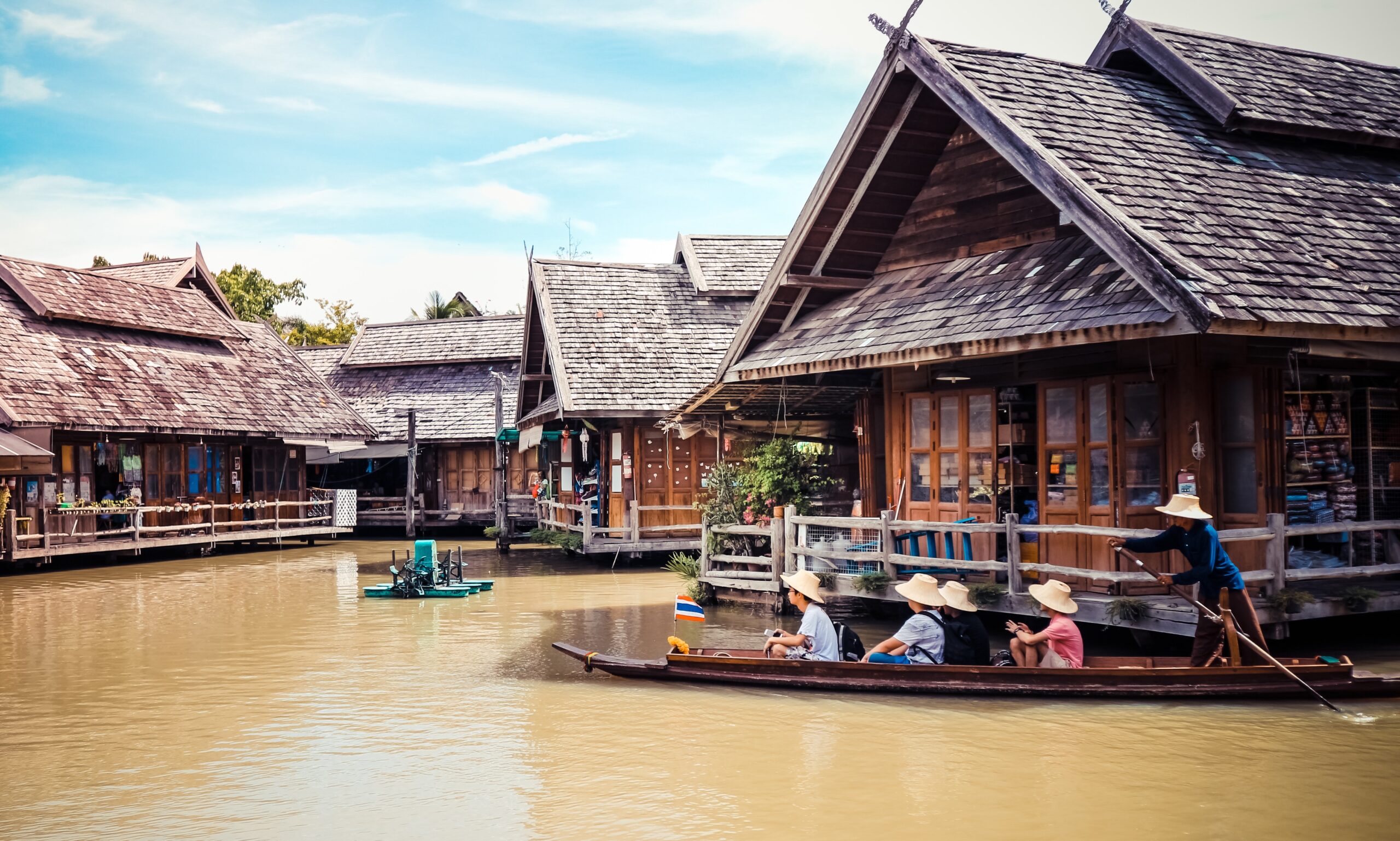
Visiting Chiang Mai means getting to know a cosmopolitan, young and culturally rich city in Thailand. This is the second time I have come to this city and I am still very happy here. This city is equivalent to the population of Nantes (i.e. my French city) and is in fact the 2nd largest city in Thailand. First of all, you will have understood that it is Bangkok, the capital, which is much more hectic than Chiang Mai. Visiting Chiang Mai is also for its rich and varied gastronomy.


Multi-faceted gastronomy to visit Chiang Mai

Obviously Thai cuisine wins the prize in the city but I was surprised to see that since my last visit, specialized markets have developed. Visiting Chiang Mai with the possibility of eating Mexican, French, Italian, Chinese, American in a Thai market was not news about 3 years ago. To meet tourist demand, the town has set up the Ploen Ruedee market indicated on Google.

You can go to TripAdvisor to find out more and get reviews from travelers who have already visited if you want to spend time in this market. Personally, I recommend it because you can also watch a concert for free without the obligation to consume. A cosmopolitan and young place as I said at the beginning of the article. The video explains and shows the atmosphere of this market which is really attractive in terms of price too. To properly visit Chiang Mai I recommend the roof of the Maya shopping center in the Niman district. A neighborhood where I met web workers like me. Obviously Chiang Mai seems to be becoming a spot in Thailand for web professions and French people have taken up residence here. I also had the opportunity to meet Isabella who writes like me on the internet and who is French-speaking Swiss and here is her blog: https://www.chauxmelemonde.com.

Elephant Nature Park near Chiang Mai

With Asiafortravel, I was lucky enough to be invited to discover a park like no other. Elephant Nature park was created by Lek, a courageous and tenacious Thai woman. The first time I came, I slipped into a group of tourists as if I were at home. I stopped on my scooter to see them and then walked around the park with the group. I invite you to read the article with the video on Elephant Nature Park here

Visit Chiang Mai for all these magnificent temples

It is nicknamed the city of a thousand temples as they are so numerous and close to each other. In fact, the reality is that there are less than 1000 temples but that is the impression that Chiang Mai gives in Thailand. The main temples are in the video in this article and therefore I recommend that you see them in real life. Then, to see the others that I haven’t filmed, you just have to walk and get lost in the streets of the city. The furthest is undoubtedly “Doi Suthep” which is located at the very top of the mountain. Visiting Chiang Mai also means planning your autonomy. Don’t worry about renting a scooter, you can ride peacefully as long as you have your « international driving license » in your pocket. I invite you to read the future article on the permit here.

The “Doi Suthep” is magnificent, but it is worth it because you have to climb more than 200 steps. As shown in the video, you will take your best shoes and bring a bottle of water and a sweater or raincoat. You are at a height of approximately 800 meters above the city level and therefore the temperature drops sharply. If it’s 30 degrees at the bottom, you’ll find about 20 degrees at the top. I advise you to plan the morning to do it. In the morning it’s pleasant and what’s more, if you’re an « early riser », you’ll have the chance to see the sun rise.

How to get to Chiang Mai?

To visit Chiang Mai, you can fly with the Gotogate.fr search engine. You will find the cheapest internal flights. Otherwise the night train is always easy to take from Bangkok station. It takes 12 hours by sleeper train to arrive in Chiang Mai. Go to the station to buy your ticket because the agencies will take a commission from you. The easiest way is to hire a friendly tuk-tuk driver who speaks good English and then ask him to help you buy the train ticket on site. To find a hotel in Southeast Asia use Agoda. This site specializes in hotels in this region and is much more detailed than booking.com

That’s it, you know almost everything, but I’ll let you discover the rest at your own pace, the main thing is to have fun and enjoy this 3 to 4 day stay in Chiang Mai. The video will help you make your choice whether to go for it or not.

 

Visiter Chiang MAÏ, la ville aux milles temples

article à venir sur les activités que j’ai faites avec mon partenaire asiafortravel.


Visiter Chiang Mai, c’est faire la connaissance d’une ville cosmopolite, jeune, et culturellement riche en Thaïlande. C’est la deuxième fois que je viens dans cette ville et je suis toujours aussi bien sur place. Cette ville est équivalente à la population de Nantes (c’est à dire ma ville française) est en fait la 2eme plus grande ville de Thaïlande. En premier vous l’aurez compris, c’est Bangkok la capitale qui est bien plus agitée que Chiang Mai. Visiter Chiang mai, c’est aussi pour sa gastronomie riche et variée.

La gastronomie multi-facette pour visiter Chiang Mai

Bien évidement la cuisine thaïlandaise emporte la palme sur la ville mais j’ai été étonné de voir que depuis ma dernière visite, des marchés spécialisés ce sont développés. Visiter Chiang Mai avec la possibilité de manger, mexicain, français, italien, chinois, américain sur un marché thaïlandais, ce n’était pas d’actualité il y a 3 ans environ. Pour répondre à la demande des touristes, la ville a mis en place le marché de Ploen Ruedee indiqué sur google.

Vous pouvez aller sur TripAdvisor pour en savoir plus et avoir des avis des voyageurs déjà venus si vous voulez dépenser du temps dans ce marché. Personnellement, je vous le recommande car vous pouvez aussi regarder un concert gratuitement sans obligation de consommer. Un endroit cosmopolite et jeune comme je l’ai dit au début de l’article. La vidéo explique et montre l’ambiance de ce marché qui est vraiment attractif coté prix aussi. Pour bien visiter Chiang Mai je vous recommande le toit du centre commercial Maya dans le quartier de Niman. Un quartier où j’ai rencontré des travailleurs du web comme moi. Visiblement Chiang Mai semble devenir un spot de Thaïlande pour les métiers du web et des français ont prit domicile ici. J’ai eu l’occasion aussi de rencontrer Isabella qui écrit comme moi sur internet et qui est suisse francophone dont voici son blog : https://www.chauxmelemonde.com.

Elephant Nature Park près de Chiang Mai

Avec Asiafortravel, j’ai eu la chance d’être invité à découvrir un parc pas comme les autres. Elephant Nature park à été créer par Lek, une femme thaïlandaise courage et tenace. La première fois, que je suis venu, je me suis glissé dans un groupe de touristes comme si j’étais chez moi. Je m’étais arrêté en scooter pour les voir puis je me suis promené dans le parc avec le groupe. Je vous invite à lire l’article avec la vidéo sur Elephant Nature Park ici

Visiter Chiang Mai pour tous ces temples magnifiques

On la surnomme la ville aux milles temples tant ils sont nombreux et proches les uns des autres. En fait, la réalité est qu’il y a moins de 1000 temples mais c’est l’impression que donne Chiang Mai en Thaïlande. Les principaux temples sont dans la vidéo de cet article et donc je vous recommande de les voir en vrai. Ensuite, pour voir les autres que je n’ai pas filmé, il suffit de marcher et de se perdre dans les rues de la ville. Le plus loin est sans aucun doute le « Doi Suthep » qui est situé tout en en haut de la montagne. Visiter Chiang Mai c’est aussi prévoir son autonomie. N’ayez aucune crainte pour louer un scooter, vous pouvez rouler tranquille du moment que vous avez votre « permis de conduire international » en poche. Je vous invite à lire le futur article sur le permis ici.

Le « Doi Suthep » est magnifique, mais il se mérite car il faut grimper plus de 200 marches. Comme montré dans la vidéo, vous allez prendre vos meilleurs chaussures et prévoir une bouteille d’eau et un pull ou imperméable. Vous êtes sur une hauteur de 800 mètres environ au dessus du niveau de la ville et donc la température baisse fortement. Si il fait 30 degrés en bas, vous trouverez 20 degrés environ en haut. Je vous conseille de prévoir la matinée pour le faire. Le matin c’est agréable et en plus si vous êtes « lève tôt » vous aurez la chance de voir le soleil se lever.

Comment venir à Chiang Mai ?

Pour visiter Chiang mai, vous pouvez prendre l’avion avec le moteur de recherche Gotogate.fr. Vous trouverez les vols internes les moins chers. Sinon le train de nuit est toujours facile à prendre depuis la gare de Bangkok. Il faut compter 12 heures en train couchette pour arriver à Chiang Mai. Allez à la gare acheter votre ticket car les agences prendront une commission sur vous. Le plus simple est de prendre un chauffeur de tuk-tuk sympa qui parle bien anglais puis de lui demander de vous aidez sur place pour acheter le billet de train. Pour trouver un hôtel en Asie du sud-est utilisez Agoda. Ce site est spécialisé dans les hôtels de cette région et bien mieux détaillé que booking.com

Voilà, vous savez presque tout, mais je vous laisse découvrir le reste à votre rythme, l’essentiel c’est de vous amusez et de profiter de ce passage de 3 à 4 jours à Chiang Mai. La vidéo vous aidera à faire votre choix si vous y passer ou pas.